How Technology Is Preventing Injuries and Enhancing Recovery
Introduction
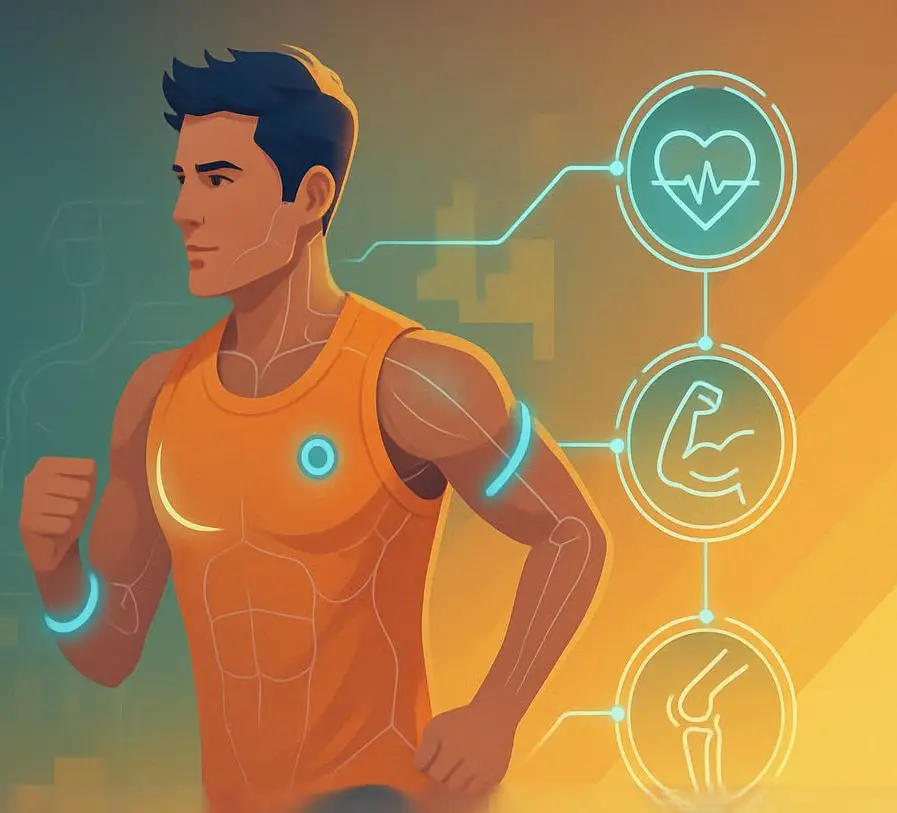
AI-powered smart sportswear is revolutionizing how athletes train, recover, and protect themselves from injuries. Unlike traditional sports gear, these intelligent garments collect real-time data on body movement, muscle load, posture, and fatigue using advanced sensors built directly into the fabric. The rise of artificial intelligence in sports has created a new era of personalized training, where athletes receive instant feedback that helps them perform better and avoid preventable injuries. As this technology becomes more affordable and accessible, both professional and amateur athletes are embracing it as a key tool for improving performance and staying healthy throughout the season.
What Is Smart Sportswear?
Smart sportswear refers to sports garments equipped with embedded sensors—such as strain sensors, accelerometers, and inertial measurement units (IMUs)—that monitor biomechanical data during movement. These sensors send information to AI algorithms that analyze performance in real time. Recent studies show that flexible electronics like graphene-based strain sensors can accurately detect motion, joint angles, and force production without restricting mobility. This enables athletes to gain insights normally available only through expensive lab testing or professional biomechanical assessments.
Beyond monitoring, smart sportswear can also learn an athlete’s specific patterns over time, becoming more accurate with each training session. This allows the technology to detect subtle changes in movement that could signal fatigue or the early signs of injury risk.
How AI Prevents Injuries in Real Time
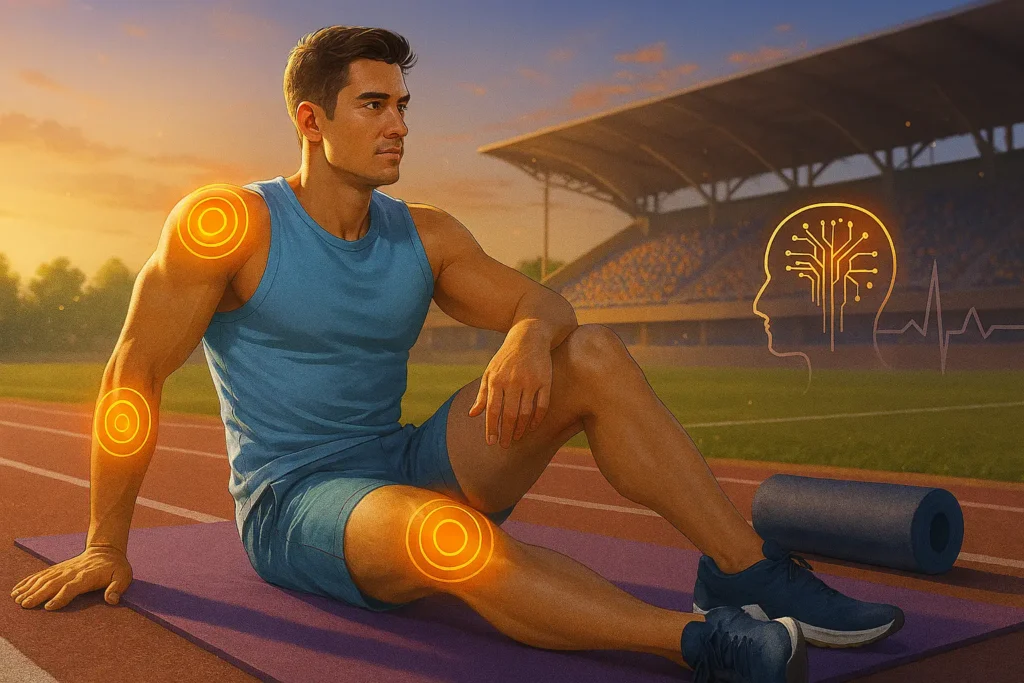
AI injury prevention is one of the most valuable advantages of smart sportswear. By analyzing motion data collected during activity, AI models identify movement irregularities such as overpronation, knee instability, or increased impact forces. These patterns are often precursors to injuries, especially in sports that involve running, jumping, or sudden changes of direction. With real-time alerts delivered through a connected mobile app, athletes know immediately when their form needs correction, helping prevent repetitive strain or acute injuries.
One example is Theo Health’s smart shorts, which include advanced sensors to detect high-risk knee motions linked to ligament and meniscus injuries. These shorts have been tested by elite golfers and athletes across multiple sports and are now used by physiotherapy teams for rehabilitation.
Whether worn in training or rehabilitation, AI-enhanced garments provide a level of precision that human observation alone cannot match, making them a powerful tool for injury reduction.
Smart Sportswear for Faster and Smarter Recovery
Recovery is as important as training, and AI-enabled smart sportswear is becoming a critical tool for optimizing the recovery process. These garments track physiological signs like muscle vibration, oxygen saturation, balance, stability, and movement efficiency. When an athlete becomes fatigued, their movement patterns naturally deteriorate—a major cause of sports injuries. AI detects these changes quickly and provides data-driven recommendations such as reducing intensity, adjusting technique, or taking a rest break.
Smart sportswear also assists in post-injury rehabilitation by monitoring whether an athlete is compensating on one side of the body or repeating harmful habits. This helps coaches, physiotherapists, and athletes tailor recovery programs according to objective data rather than guesswork. As a result, athletes can return to sport sooner and with a lower chance of re-injury.
Challenges and Ethical Considerations
While smart sportswear offers powerful benefits, it also raises important considerations related to cost, data security, and accessibility. High-end AI garments may be expensive, making them inaccessible for youth athletes or those with limited budgets. Additionally, because these garments collect sensitive biomechanical and physiological data, transparent policies about who owns and controls the data are essential.
Accuracy is another consideration: AI systems require large amounts of diverse data to generate reliable predictions. If training datasets are limited, algorithms may offer incorrect or incomplete feedback. Therefore, while the technology is promising, users must balance expectations and understand that AI should complement—not replace—professional coaching or medical advice.
The Future of Smart Sportswear
The future of AI-enhanced sportswear points toward fully personalized performance ecosystems. As technology evolves, smart garments will integrate with sleep trackers, heart rate variability sensors, nutrition apps, hydration monitors, and digital coaching platforms. This convergence will allow AI to generate full-scale athlete profiles, predicting when someone is at risk of injury or overtraining before symptoms appear. As production becomes more cost-effective, smart sportswear will likely move from being a professional tool to a mainstream standard used in gyms, schools, and home training environments.

FAQ Section
1. Is smart sportswear only for professional athletes?
No. While professional teams are early adopters, many brands now offer consumer-level smart garments designed for amateur athletes, fitness enthusiasts, and even beginners. As prices decrease, access to AI-powered gear is expanding, making it practical for everyday users.
2. How accurate are AI-powered sensors in sportswear?
Accuracy varies depending on the brand and sensor quality. High-end garments using strain sensors and IMU technology can provide close-to-laboratory accuracy, while budget versions may be less precise. AI improves accuracy over time as it learns an individual’s movement patterns.
3. Can smart sportswear replace a coach or physiotherapist?
No, smart sportswear should be considered a complement—not a replacement. It provides valuable data that enhances coaching and rehabilitation, but human expertise is still essential for interpreting results and guiding long-term training and injury prevention.
4. Is my data safe when I use smart sportswear?
This depends on the manufacturer’s data policy. Always review privacy statements and ensure the brand uses secure storage methods. Look for companies that allow you to control, download, or delete your data at any time.
5. Will smart sportswear become more common in the future?
Absolutely. With growing investment in sports technology and increasing consumer demand, smart sportswear is expected to become a mainstream fitness tool. Future models will integrate more sensors, connect with wearable devices, and deliver highly personalized training insights.